Top AI Video Intercom Trends at the 139th Canton Fair?
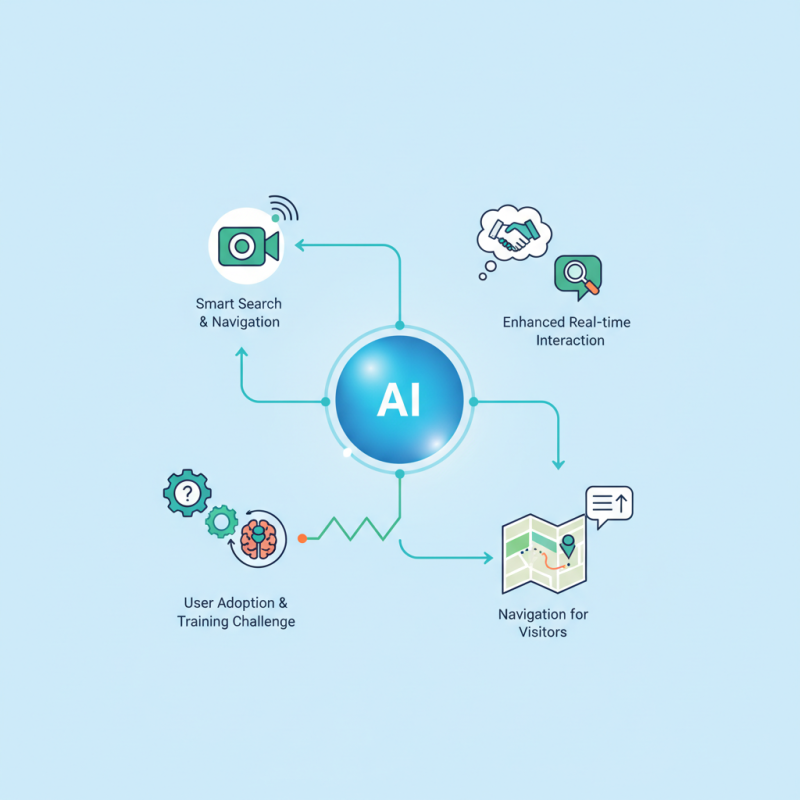
The 139th Canton Fair showcases cutting-edge innovations, especially in AI video intercom technology. This year's event introduces AI features that transform traditional communication methods in businesses. With the integration of smart search and navigation tools, suppliers can now connect more efficiently with potential buyers.
AI video intercom enhances real-time interactions during the fair. It allows exhibitors to engage with visitors beyond mere demonstrations. Given the immense scale of the fair, with over 1.5 million square meters, the use of AI helps visitors find their way with ease. However, there's a challenge: not every interaction is smooth. Some users may struggle to grasp how to utilize these advanced tools effectively.
While the benefits are clear, the transition to AI-driven systems is not without hurdles. Vendors must ensure they are adequately trained. Feedback from users remains crucial for refining these offerings. As exhibitors delve deeper into AI video intercom solutions, reflection on user experiences will drive improvement, making future exhibitions more effective.
Emergence of AI Video Intercoms at the 139th Canton Fair
The 139th Canton Fair highlighted the rise of AI video intercoms. These systems are redefining communication in security and access management. Recent industry data indicates that the global market for these devices is projected to reach $11.46 billion by 2025, with a compound annual growth rate of 25.5%. This growth reflects their increasing necessity in urban settings.
AI video intercoms offer seamless integration with smart home devices. Users can interact with cameras from their smartphones in real time. This streamlines security measures and enhances user convenience. However, adoption rates vary, with some regions lagging behind due to high installation costs. These disparities reveal a need for more affordable solutions.
Interestingly, while technology advances, challenges remain. Issues like privacy concerns and connectivity reliability are critical. Improving these areas could boost user confidence and acceptance. The potential of AI video intercoms is significant, yet it faces hurdles that necessitate thoughtful consideration. Addressing these imperfections is essential for future growth.
Key Features Showcased in AI Video Intercom Technology
The 139th Canton Fair showcased impressive advancements in AI video intercom technology. Key features stood out, drawing attention from various industry players. Enhanced video quality was a highlight. High-definition displays made it easier to recognize faces. The improved audio clarity also made conversations seamless and engaging.
Another intriguing aspect was the integration of AI capabilities. Smart facial recognition helps identify visitors quickly. Some systems even offer visitor logs, which could improve security. Yet, the reliance on technology raises questions. What if the system fails? Backup methods may need to be considered.
Interactivity is also gaining traction. Users can communicate through smartphones. This feature provides convenience, yet it may lead to over-reliance on devices. Some installations are complex and require professional help. Overall, while the technology is impressive, the potential for hiccups cannot be ignored. The balance between innovation and practicality remains an ongoing challenge in this evolving field.
Impact of AI on Home Security Solutions
The impact of AI on home security solutions is significant. AI technologies are enhancing security systems in various ways. Smart video intercoms, equipped with AI, ensure better monitoring and control. They can recognize faces and filter out unwanted visitors. This technology is becoming essential for modern homes.
AI-driven video intercoms offer real-time alerts to homeowners. These systems analyze video feeds, improving response times. Homeowners can monitor their surroundings remotely through mobile apps. The convenience of this technology is hard to overlook. Yet, there are challenges in privacy and data management.
Tips for homeowners: Always update your AI systems to protect against vulnerabilities. Consider using multi-factor authentication for better security. Evaluate the amount of personal data shared with these devices. Being aware of these issues can help you make informed decisions. While AI improves security, it also requires careful consideration. Balancing technology and privacy is important in today's world.
Consumer Demand Trends for AI Video Intercom Systems
The 139th Canton Fair showcased emerging trends in consumer demand for AI video intercom systems. More buyers are seeking smart solutions that enhance security. These systems are now more than just video connections; they integrate seamlessly with home automation. Customers want technology that simplifies interaction and safety.
Many users express frustrations with existing systems. Connectivity issues and complicated interfaces are common complaints. Buyers desire user-friendly options that offer reliable performance. The focus is on ease of use and multifunctionality. Potential users are looking for support, installation services, and ongoing maintenance.
Tips: Always consider the quality of video and audio when choosing a system. Research user reviews to gauge real-world experiences. Ensure the system is compatible with your existing technology. Testing features before purchasing can prevent future frustrations.
Future Prospects for AI Video Intercoms in Smart Homes
The rise of AI video intercoms in smart homes shows promising prospects. These devices enhance security and convenience. They allow homeowners to see and communicate with visitors easily. Imagine answering the door while cooking dinner, without having to rush. This technology aims to bridge gaps between people and their homes.
However, there are challenges to address. Privacy concerns often arise. Users may hesitate to deploy AI systems that monitor their surroundings. Furthermore, ensuring reliable connectivity remains a task. In areas with weak internet, performance can falter. Smart home integration requires seamless compatibility with various devices.
Visual aesthetics matter too. An intercom should blend in with home decor. Bulky designs can disrupt the ambiance. Thus, companies must focus on both function and form. Future designs may emphasize minimalism. Interactive features can enhance user engagement but also complicate usability. Striking the right balance is essential.
Top AI Video Intercom Trends at the 139th Canton Fair - Future Prospects for AI Video Intercoms in Smart Homes
| Feature | Current Trend | Future Prospects | Market Potential |
| AI Integration | High demand for smart intercoms with AI capabilities | Growth in AI features such as facial recognition | $3 billion by 2026 |
| Video Quality | Shift towards 4K video capabilities | Enhanced clarity in home security systems | $1.5 billion by 2025 |
| Mobile Connectivity | Increased use of smartphone applications | Integration with IoT devices | $2.2 billion by 2027 |
| Security Features | Focus on privacy and data encryption | More robust security measures | $4 billion by 2028 |
| User Interface | Intuitive designs enhancing user experience | Customization options for users | $1 billion by 2024 |


