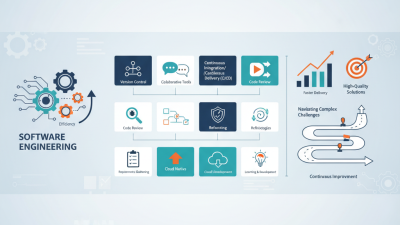
The future of software engineering is an exciting frontier filled with potential. As industries evolve, software development follows closely behind, transforming how we interact with technology. Innovations such as AI-driven tools are becoming pivotal in this transition. They not only streamline processes but also enhance user experiences.
Consider the advancements in intelligent systems. These systems can analyze vast amounts of data, making development more efficient. However, they also raise questions about dependency and oversight. As software engineers embrace AI, they must balance efficiency with ethical considerations.
Moreover, trends like continuous integration and cloud computing are reshaping workflows. Remote teams collaborate in real-time, breaking geographical barriers. Yet, this shift calls for new skills and adaptability. Software engineering is on the brink of significant changes, demanding both creativity and critical thinking. Embracing these trends is essential for engineers to thrive in a dynamic landscape.

Emerging programming languages are changing software development. These languages aim to enhance productivity and address modern challenges. For example, languages like Rust focus on memory safety. This reduces bugs and security issues. Developers are keen on adopting such languages for building reliable systems.
New languages often provide unique features. They improve efficiency and allow rapid development. Many developers are exploring languages tailored for specific tasks. Domain-specific languages can boost developer satisfaction. It's essential to weigh the pros and cons of each language. Sometimes, a younger language lacks community support or libraries.
Tips: When choosing a new language, consider project needs. Will it enhance team collaboration? Also, evaluate the learning curve for your developers. Adopting a language isn't just about popularity; it should fit your goals. Explore small projects before diving in deeply. This way, you can assess real-world benefits without significant risks.
This chart represents the popularity index of the top 10 programming languages in 2023, highlighting the emerging trends in software engineering and their impact on development processes.
The rise of artificial intelligence is transforming software engineering practices rapidly. Developers are leveraging AI to enhance coding efficiency and reduce errors. Automated code generation tools are becoming common. These tools help generate code snippets based on input parameters. This approach saves time and allows for creativity.
However, relying too much on AI comes with challenges. While it streamlines tasks, it may result in less deep understanding of coding principles. Developers may overlook the importance of foundational skills. There’s also the risk of bias in AI algorithms, which can lead to unintended consequences in projects.
With these changes, collaboration between AI and human developers is crucial. Teams must strike a balance. Embracing AI while still focusing on learning and improving existing skills is essential. Continuous reflection will help ensure that technology enhances rather than replaces human talent in software development.
Cloud computing has fundamentally changed how developers create applications. Now, development environments can be set up in moments. This technology allows teams to collaborate in real time, regardless of location.
Remote work has become the norm. Developers are no longer limited to physical office spaces. They can access cloud resources directly from home. This increases flexibility but presents challenges. Issues like connectivity and security concerns can arise. Developers must be vigilant about data protection while operating in the cloud.
Another aspect to consider is the variety of tools available. Developers can choose from numerous cloud services to enhance their workflow. Yet, this abundance can be overwhelming. Teams must carefully select what works best for their projects. Integration and compatibility can lead to unforeseen complexities. Finding the right balance is essential for success in a cloud-driven environment.
| Trend | Description | Impact on Development | Future Outlook |
|---|---|---|---|
| Serverless Computing | Allows developers to build and run applications without managing servers. | Increases efficiency and reduces operational costs. | Expected to become the standard for many application architectures. |
| DevOps Integration | Aims to unify software development and software operation. | Enhances collaboration and speeds up release cycles. | Will lead to more agile development practices. |
| Artificial Intelligence | Integration of AI tools in the development lifecycle. | Improves decision-making and reduces repetitive tasks. | Increasing reliance on AI tools for development assistance. |
| Microservices Architecture | Architectural style that structures an application as a collection of small services. | Enhances scalability and resilience of applications. | Expected to gain more traction in large-scale applications. |
| Edge Computing | Processing data near the source rather than relying on a central data center. | Reduces latency and improves speed. | Will become critical for IoT applications. |
| Blockchain Technology | Distributed ledger technology for secure transactions. | Enhances security and transparency. | Anticipated growth in decentralized applications. |
| Test Automation | Using software to control the execution of tests. | Increases testing speed and reliability. | Expected to become standard practice in the software development lifecycle. |
| Low-Code Development | Accelerates application development with visual tools. | Empowers non-developers to create applications. | Expected to democratize software development. |
| Continuous Integration/Continuous Deployment (CI/CD) | Frequent integration of code changes and automated deployment. | Improves deployment efficiency and reduces errors. | Widely adopted for better software quality. |
| Cloud-Native Development | Building applications that leverage the advantages of cloud computing. | Enhances scalability, flexibility, and performance. | Expected to dominate the future of software architecture. |
Agile methodologies have transformed software development. These frameworks emphasize adaptability and collaboration. Teams can respond to changes quickly, fostering innovation. Daily stand-ups and iterative cycles are common practices. This allows for faster feedback and continuous improvement.
The evolution of Agile has seen the rise of various frameworks. Scrum and Kanban are popular choices among teams. However, the implementation is not always smooth. Misunderstanding Agile principles can lead to challenges. Teams may focus too much on processes rather than individuals. Such pitfalls hinder the full potential of Agile adoption.
Reflecting on these trends is crucial for growth. Developers must balance flexibility with structure. Not every project suits Agile methods perfectly. Recognizing when to adapt is key. Embracing change while not losing sight of objectives ensures better outcomes. Continuous learning and adaptation drive success in software development today.
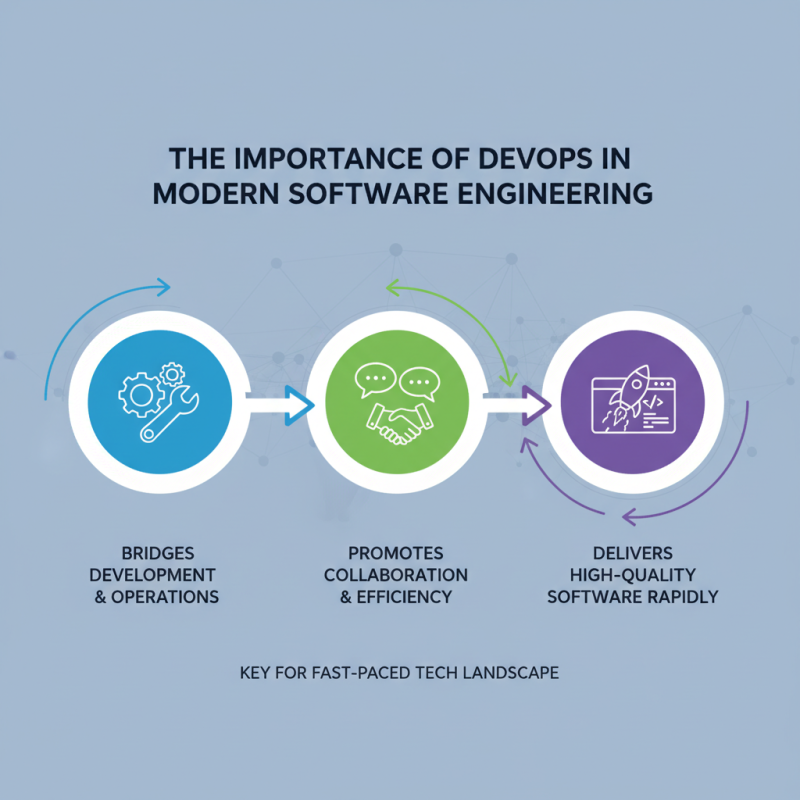
In today’s fast-paced tech landscape, the importance of DevOps cannot be overstated. It bridges the gap between development and operations. This methodology promotes collaboration and efficiency. Teams work closely, sharing responsibilities throughout the software life cycle. This synergy is crucial for delivering high-quality software rapidly.
A Tip: Emphasize communication. Regular meetings and feedback loops can enhance team dynamics. Small, cross-functional teams often yield better results. Encourage collaborative tools that streamline processes. Automating repetitive tasks can save time and reduce errors.
However, adopting DevOps presents challenges. Resistance to change is common. Not all team members adapt quickly to new workflows. Some may feel overwhelmed by the pace of change. Addressing these concerns is essential. Build a culture that values experimentation and learning from failures. This mindset can lead to continuous improvement.
Another Tip: Invest in training. Equip your team with the necessary skills. Regular workshops and courses can boost confidence. Knowledge sharing fosters a supportive environment. Ultimately, this approach ensures that teams stay aligned with business goals while innovating effectively.