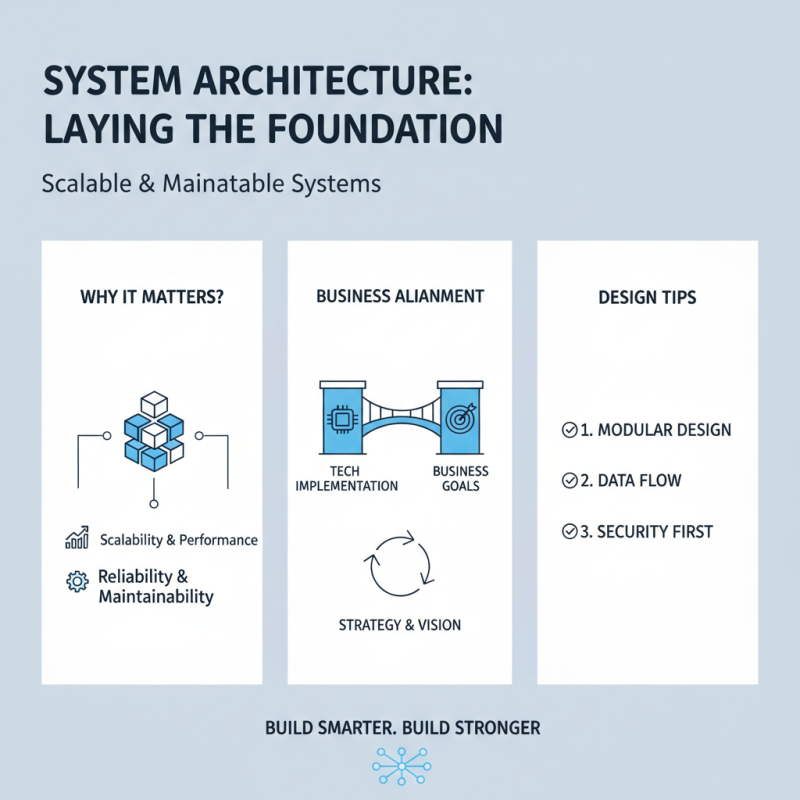
Why Understanding System Architecture is Essential for Modern Development?
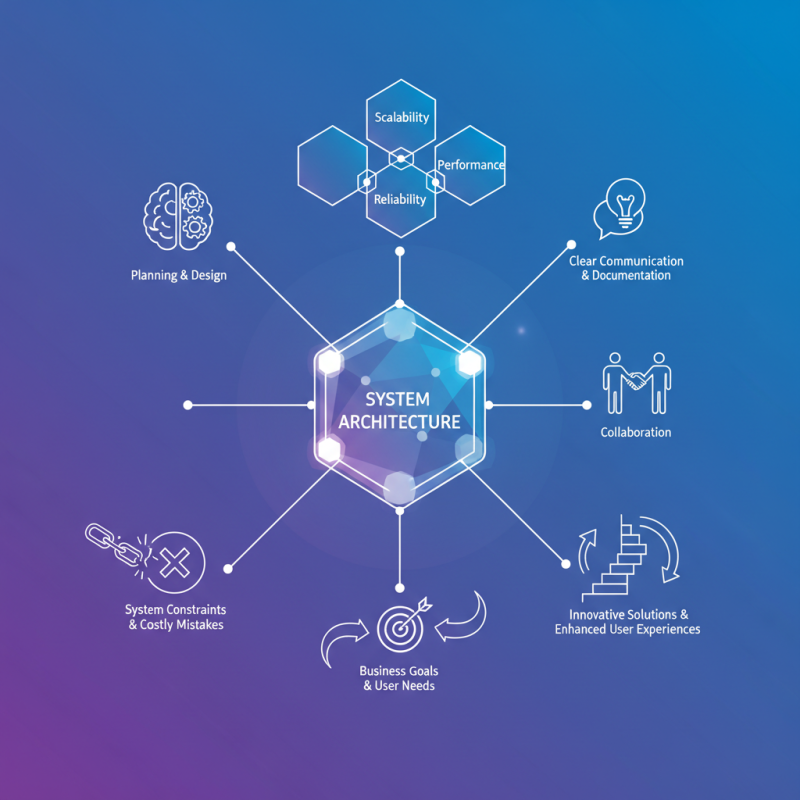
In today's fast-paced tech landscape, understanding system architecture is crucial. It serves as the backbone of modern applications and platforms. A solid system architecture shapes how software components interact and integrate. It influences scalability, performance, and reliability. Teams often underestimate the depth of architecture planning.
Developers sometimes overlook system constraints, leading to costly mistakes. Poor design can cause bottlenecks and increased downtime. Clear documentation and communication are vital in these scenarios. The right architecture aligns with business goals and user needs.
Moreover, system architecture facilitates better collaboration among team members. It creates a shared language that bridges gaps between developers, designers, and stakeholders. Mistakes can occur when clarity is lacking. Rethinking architectural decisions can lead to innovative solutions and enhanced user experiences. Understanding system architecture is not optional; it is essential for success.
The Definition and Importance of System Architecture in Development
System architecture plays a pivotal role in modern development. It establishes the framework for software solutions. According to a report by the Project Management Institute, 70% of software failures are linked to poor architecture. This highlights how critical it is to understand and implement system architecture effectively. When teams overlook this aspect, they set themselves up for significant challenges later on.
Having a well-defined architecture reduces risks and boosts scalability. A study from the Harvard Business Review indicates that companies focusing on architecture can improve their project success rates by 40%. However, not every organization prioritizes this. Many developers still chase immediate results or quick fixes. This often leads to technical debt and costly reworks down the line.
Furthermore, the lack of a solid architecture can stifle innovation. Anecdotal evidence suggests teams that resist addressing architectural issues face declining morale. They often grapple with outdated systems and inefficient processes. Reflecting on these patterns, organizations may realize that investing in understanding system architecture isn't just a technical decision; it’s a strategic imperative.
Key Components of System Architecture: A Framework for Success
Understanding system architecture
is crucial for the success of modern development. It involves various key components that create a robust framework.
According to a recent report by the International Data Corporation, nearly 70%
of organizations face challenges due to poor system architecture. This statistic highlights a critical need for
clear design and effective communication among teams.
A well-structured system architecture includes databases,
applications, and integrated services. Each piece needs to fit together seamlessly.
The 2023 State of DevOps Report shows that
organizations with strong architecture practices see 50%
better deployment frequency. This emphasizes the need for strategic planning
in software development. Yet, many teams overlook defining their architectural goals early in the process.
This oversight often leads to inefficiencies and project delays.
Moreover, scalability cannot be an afterthought. As businesses grow, their systems must adapt.
Reports indicate that 60% of failed projects stem from scalability issues.
Incorporating elasticity into the architecture from day one is essential. However, many teams find it challenging to balance
immediate needs with long-term goals. This tension can cause frustration and confusion. Doing it right requires commitment
and ongoing reflection.
The Role of System Architecture in Enhancing Scalability and Performance
System architecture plays a crucial role in modern development. It defines how different components interact. A well-structured architecture enhances scalability, enabling systems to grow efficiently. For example, cloud-based solutions can manage increased traffic seamlessly. This means that users experience smooth performance, even during peak times.
However, achieving optimal performance isn't always straightforward. Poorly designed systems may face bottlenecks. When this happens, response times can increase significantly. Developers must continually reassess the architecture. Adjustments may involve reevaluating data flow and communication channels. Simplifying interactions can lead to better performance.
Budget constraints can complicate these decisions. Balancing cost and scalability requires careful planning. Sometimes, the cheapest solution can hinder future growth. It's a dilemma that needs attention. Continuous reflection on system architecture can lead to substantial improvements. Focusing on these areas allows developers to create solutions that truly meet user needs.
System Architecture: Impact on Scalability and Performance
This bar chart illustrates the performance scores of different system architecture types. Understanding these scores can help developers choose the most appropriate architecture for their applications, enhancing scalability and performance based on specific needs.
Understanding System Architecture for Improved Collaboration in Teams
In today's fast-paced tech landscape, understanding system architecture is crucial for teams. It fosters better collaboration and enhances productivity. Recent studies have shown that teams with a solid grasp of system architecture improve their workflow by 30%. This is because clear architecture lays a foundation for better communication. When everyone understands the structure, misunderstandings decrease.
Moreover, teams that embrace system architecture see significant gains in project outcomes. According to a report by the Project Management Institute, 58% of teams report smoother project execution when architectural principles are applied. However, many organizations still struggle with these principles. They often overlook the importance of architecture, leading to misaligned goals and wasted resources.
Engaging with system architecture is not just about structure; it's about creating a shared vision. Without this shared understanding, teams may drift, leading to frustration. Organizations must reflect on their approach and prioritize architectural education to avoid these pitfalls. Clarifying roles and responsibilities through architecture can empower teams, but it requires commitment from all members.