What Is the Best Software System for Procurement in 2026?
Choosing the best procurement platform in 2026 is not a simple ranking exercise. Every organization has different approval rules, supplier risks, budgets, and integration needs. A software system that works beautifully for a global manufacturer may frustrate a growing services company. Real purchasing data often exposes this difference quickly.
This guide examines leading procurement systems through practical criteria. These include intake management, sourcing, contract control, supplier onboarding, purchase orders, analytics, and invoice matching. It also considers integration with ERP, accounting, and identity platforms. Security, audit trails, accessibility, implementation support, and transparent pricing deserve equal attention. Attractive dashboards are not enough.
Hands-on testing matters. A polished demonstration can hide slow configuration, weak search, or difficult reporting. Procurement teams should test realistic scenarios, such as approving a $25,000 software renewal across three departments. They should also ask vendors how artificial intelligence handles incomplete supplier data and human review. No platform is perfect. Some evaluation scores will reflect assumptions that need revision after deployment. That uncertainty is useful, not embarrassing. It encourages a more honest decision.
The sections ahead compare software system capabilities, deployment models, user experience, and long-term value. They highlight where each option performs well and where limitations may appear. Independent references, customer evidence, security documentation, and controlled trials can strengthen the final choice. The best system is not necessarily the most expensive or feature-heavy. It is the one employees actually use, buyers can govern, and finance teams can trust.
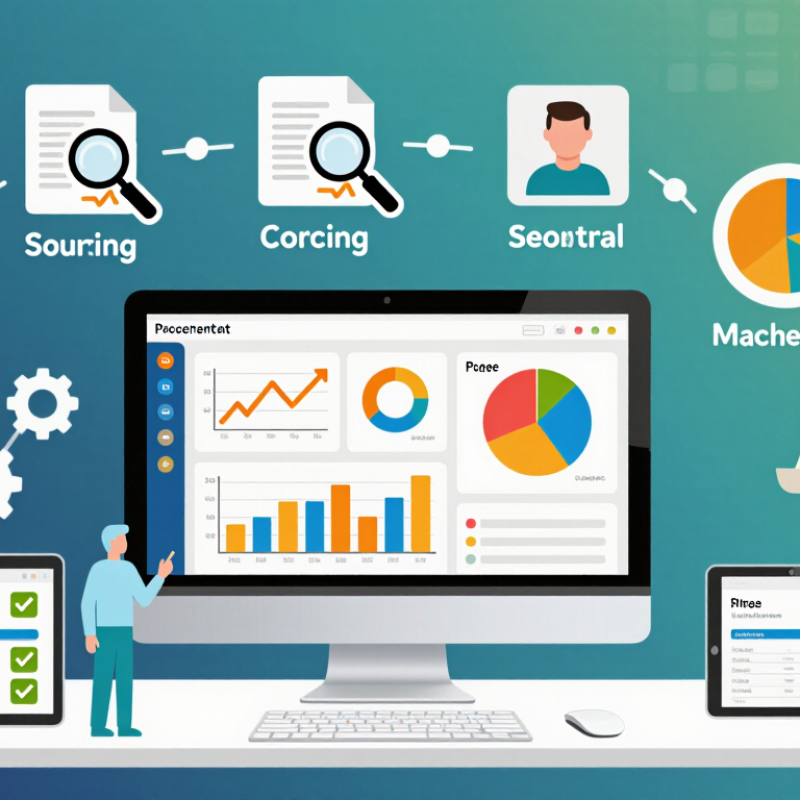
Defining Procurement Software and Its Role in 2026
What Is the Best Software System for Procurement in 2026?
Defining Procurement Software and Its Role in 2026
Procurement software is a digital system that manages purchasing from request to payment. It connects employees, suppliers, finance teams, and approval workflows in one controlled environment. In practice, this means fewer email chains and clearer records. A manager might request 40 office chairs, compare approved suppliers, and track delivery from one screen.
The best systems in 2026 will do more than automate purchase orders. They will use artificial intelligence to classify spending, identify unusual prices, and suggest suitable suppliers. They should also connect with inventory, accounting, and contract systems. Strong data encryption, role-based access, and detailed audit trails remain essential. These controls support reliable reporting and help procurement teams investigate decisions months later.
Human judgment still matters.
During implementation, experienced teams often discover incomplete supplier data, duplicate records, or unclear approval rules. No software can repair every process automatically. This is an area for honest review. Procurement leaders should test recommendations against real invoices and supplier histories before trusting automation. They also need measurable evidence, such as shorter approval times, fewer delivery errors, and improved contract compliance. A practical system should make responsible purchasing easier, not simply create more dashboards.
Key Features of a Modern Procurement Management System
What Is the Best Software System for Procurement in 2026?
A modern procurement management system should make purchasing controlled, visible, and practical. In real implementations, the strongest systems connect requisitions, approvals, purchase orders, contracts, invoices, and supplier records. Users should see each request’s status without searching through email. Clear dashboards can reveal delayed approvals, unusual spending, and expiring agreements.
Security is essential. Role-based access should limit sensitive data to authorized employees. A complete audit trail should record who changed a request, when, and why. Supplier onboarding should verify required documents and support consistent evaluation. Integrations with finance, inventory, and enterprise systems also reduce duplicate data entry. Small details matter. A mobile approval should display the total cost, supplier, budget, and supporting documents clearly.
Automation can improve speed, but it should not remove judgment. Rules may route low-value purchases automatically while sending complex requests to experienced reviewers. Artificial intelligence can identify patterns, yet human oversight remains necessary when data is incomplete. No system is perfect. A pilot may expose confusing workflows, weak supplier data, or reports that managers cannot interpret. That feedback should shape configuration before wider deployment. Procurement teams should also test accessibility, response times, data retention, and recovery procedures. The best choice is not the system with the longest feature list. It is the one employees can use accurately, auditors can trust, and procurement leaders can improve over time.
What Is the Best Software System for Procurement in 2026?
Key features of a modern procurement management system ranked by normalized evaluation priority.
The scores represent a practical 100-point evaluation model for comparing procurement platforms. Spend visibility, workflow automation, supplier risk management, integration, analytics, and electronic invoicing are weighted according to their impact on control, efficiency, and scalability.
Comparing Procurement Software by Business Size and Industry
The best procurement software in 2026 depends less on popularity than on operating complexity. Small businesses often need fast approvals, simple supplier records, and clear spending limits. A lightweight cloud system may be enough. It should connect with accounting tools without demanding a long implementation project. The 2024 Deloitte Global Chief Procurement Officer Survey found that cost management remains a leading procurement priority. That matters for smaller teams with limited finance staff.
Mid-sized companies need stronger controls. They may manage several locations, currencies, and approval levels. Industry also changes the choice. Manufacturers need purchase-order visibility and material planning. Healthcare organizations require detailed audit trails and supplier compliance records. Construction firms often need contract-based purchasing and mobile access from project sites. The Hackett Group’s 2024 Procurement Key Issues Study reported continued pressure to improve efficiency while controlling operating costs. More features are not always better.
Large enterprises usually require workflow automation, spend analytics, supplier-risk monitoring, and integration with enterprise resource planning systems. Public-sector and regulated industries need searchable records and consistent approval evidence. Deloitte’s 2024 survey also identified digital capability as a major procurement investment area. Still, implementation quality is easy to underestimate. A system can look impressive during a demonstration and perform poorly with inconsistent supplier data. That is a practical warning. Teams should test real invoices, approvals, and exception cases before signing. Reported benchmarks can guide selection, but they cannot replace hands-on evaluation.
Evaluating Security, Integration, Automation, and Total Cost
What Is the Best Software System for Procurement in 2026?
Security should be tested beyond a polished compliance page. In procurement reviews, I examine encryption, multi-factor authentication, role-based access, and detailed audit logs. Ask how quickly administrators can revoke access after an employee leaves. Also inspect data retention, backup controls, penetration testing, and incident response procedures. A secure system should show current evidence, not vague promises.
Integration determines whether procurement becomes useful or another isolated database. The system should connect cleanly with finance, inventory, contract, and identity platforms. Open APIs help, but reliable data mapping matters more. Test purchase orders, supplier records, invoices, and approval changes using realistic transaction volumes.
I once underestimated duplicate supplier data during implementation. That mistake created weeks of manual cleanup.
Automation should reduce repetitive work without removing responsible judgment. Rules can route approvals, flag unusual prices, and match invoices automatically. Human review still matters for exceptions, new suppliers, and sensitive purchases. Measure processing time before and after deployment. Total cost includes licenses, configuration, training, support, integrations, upgrades, and internal administration. Cheap software can become expensive when every change requires specialist help. Model costs over three to five years, including migration and exit work. Procurement teams should also question unused features. More automation is not always better.