Why is Software Engineering Essential for Successful Technology Projects
In the rapidly evolving landscape of technology, the success of any project relies heavily on the principles of software engineering. This discipline encompasses a systematic approach to the development, deployment, and maintenance of software, ensuring that projects are not only completed on time but also meet the required standards of quality and functionality. As the demand for innovative solutions continues to rise, the role of software engineering becomes increasingly vital in navigating the complexities associated with technology initiatives.
Software engineering provides a robust framework that allows teams to effectively manage the intricacies of project requirements, design, implementation, and testing. By leveraging established methodologies and best practices, software engineers can mitigate risks, enhance collaboration, and foster a culture of continuous improvement. This structured approach not only leads to the creation of reliable and scalable software solutions but also contributes to the overall efficiency of technology projects.
Moreover, the integration of software engineering principles is crucial in addressing the challenges posed by rapid technological advancements and shifting user expectations. As businesses strive to deliver exceptional user experiences, the importance of having a strong foundation in software engineering cannot be overstated. Ultimately, embracing software engineering will empower organizations to achieve their technology goals, drive innovation, and maintain a competitive edge in the market.

Definition and Scope of Software Engineering in Technology Projects
Software engineering is a structured approach to designing, developing, testing, and maintaining software that is critical to the success of technology projects. It encompasses a variety of processes and methodologies aimed at ensuring that software systems meet specified requirements and are delivered efficiently within time and budget constraints. The scope of software engineering includes various stages such as requirements analysis, system design, coding, testing, and deployment. Each of these phases plays a vital role in creating a reliable and functional product that aligns with user expectations.
The definition of software engineering extends beyond mere programming; it involves applying engineering principles to both the development and management of software projects. This includes the use of models, tools, and techniques that aid in risk management, quality assurance, and documentation. By adhering to established software engineering practices, teams can mitigate common issues such as scope creep, budget overruns, and project delays. Furthermore, effective communication among team members and stakeholders is crucial, as it ensures that the project remains aligned with its goals and adapts to changing requirements. In this way, software engineering serves as the backbone of successful technology initiatives, enabling organizations to innovate while maintaining a focus on quality and sustainability.
Why is Software Engineering Essential for Successful Technology Projects - Definition and Scope of Software Engineering in Technology Projects
| Aspect |
Description |
Importance |
| Requirements Analysis |
Identifying the needs of stakeholders and system functionality. |
Ensures project aligns with user expectations and reduces scope creep. |
| Design |
Creating architectural and detailed designs for software structure. |
Provides a blueprint for development, ensuring coherence and scalability. |
| Development |
Writing code and implementing software features as per design. |
Translates designs into functional software, enabling user interaction. |
| Testing |
Evaluating software to identify defects and ensure quality standards. |
Minimizes risks and enhances user satisfaction through defect-free software. |
| Maintenance |
Updating software to fix issues and adapt to changing user needs. |
Ensures software longevity and relevance in a dynamic environment. |
| Project Management |
Planning, executing, and monitoring project timelines and resources. |
Facilitates effective resource allocation and goal alignment. |
Key Principles of Software Engineering and Their Impact on Project Success
Software engineering plays a pivotal role in the success of technology projects, primarily due to its grounded principles that guide development processes. Key principles such as modularity, maintainability, and agile methodologies not only enhance the flexibility of development but also significantly decrease the time-to-market for technology solutions. According to a report by the Project Management Institute, effective integration of software engineering practices can improve project success rates by up to 30%. This statistic emphasizes the criticality of adhering to systematic engineering practices, ensuring that projects align with stakeholder expectations while efficiently utilizing resources.
Furthermore, the implementation of rigorous testing methods—an integral component of software engineering—can lead to a substantial decrease in product defects. Research from the Consortium for IT Software Quality indicates that adopting best practices in software engineering can reduce development costs by an average of 30% by mitigating issues early in the development lifecycle. This not only saves resources but also enhances customer satisfaction, as higher quality products tend to receive better user feedback and retention. Overall, the core principles of software engineering—structured planning, iterative development, and continuous integration—directly contribute to the long-term success of technology projects.
Importance of Software Engineering Principles for Project Success
Common Challenges in Technology Projects and How Software Engineering Solves Them
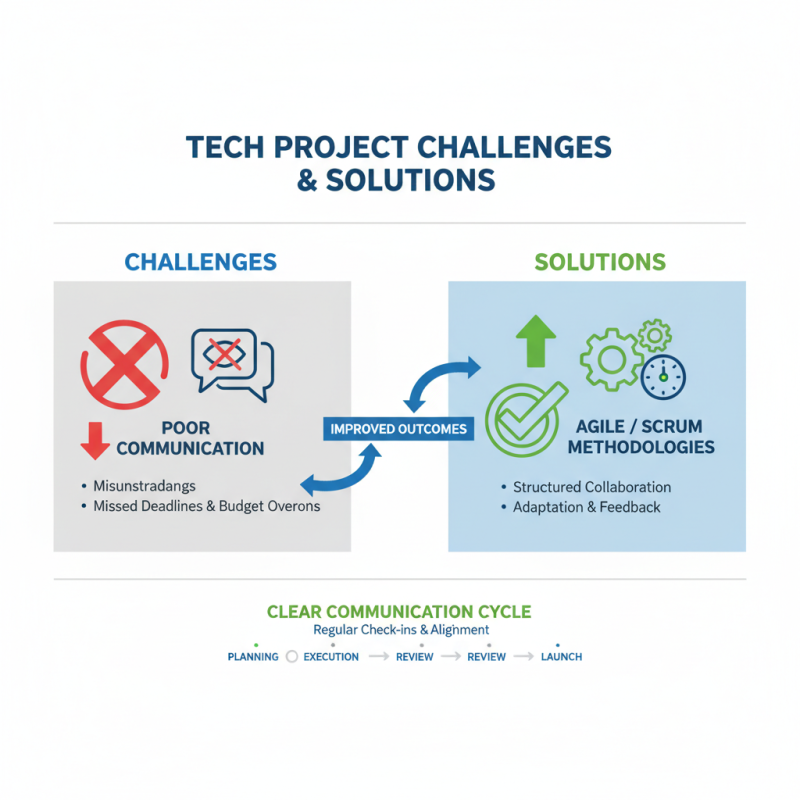
In the realm of technology projects, numerous challenges often arise that can jeopardize timelines, budgets, and overall project success. One of the most prevalent issues is poor communication among stakeholders, which can lead to misunderstandings about project requirements and objectives. Software engineering methodologies, such as Agile or Scrum, provide structured frameworks for collaboration, enabling teams to maintain clear lines of communication and adapt to changes quickly. By facilitating regular check-ins and feedback loops, these practices ensure that everyone involved remains aligned and informed throughout the project lifecycle.
Another significant challenge in technology projects is the management of complexities within software development. Projects often involve intricate systems that require careful planning and management to avoid scope creep and technical debt. Software engineering applies principles like modular design and version control to break down large projects into manageable components, allowing teams to develop, test, and deploy features incrementally. This systematic approach not only enhances code quality but also helps mitigate risks associated with system integration, ensuring a more streamlined and successful project delivery.
The Role of Software Engineering Methodologies in Delivering Quality Products
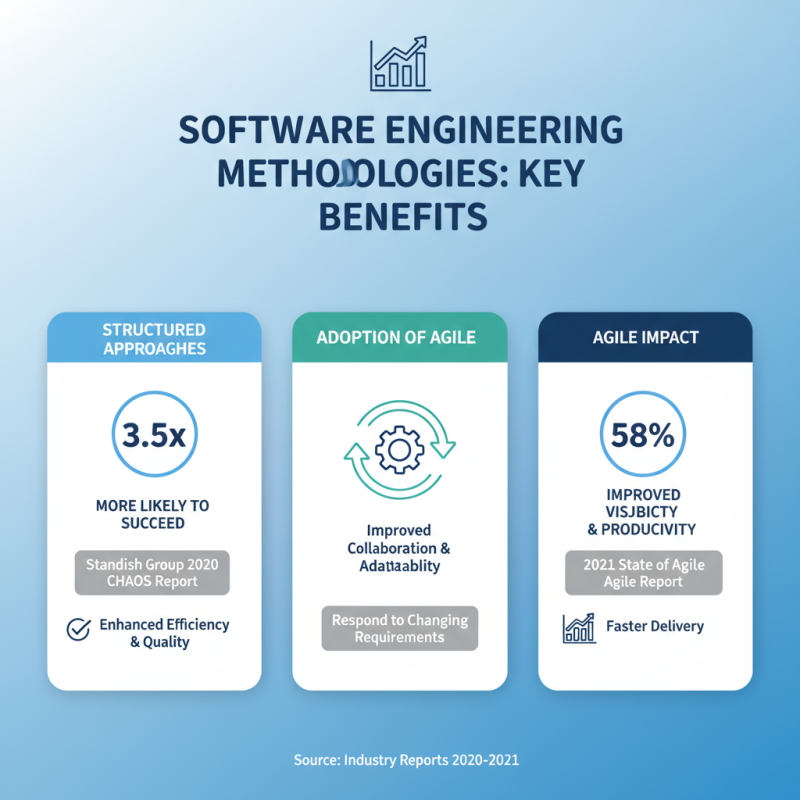
Software engineering methodologies play a critical role in the successful delivery of technology projects by providing structured approaches that enhance efficiency and quality. According to the Standish Group's 2020 CHAOS Report, projects that utilize formal methodologies are 3.5 times more likely to succeed than those that do not. The adoption of agile frameworks, in particular, has been shown to improve collaboration and adaptability, allowing teams to respond more effectively to changing requirements. In fact, the 2021 State of Agile report highlighted that 58% of organizations reported improved project visibility and productivity after implementing agile practices.
Furthermore, software engineering practices help mitigate risks and ensure adherence to quality standards during the development process. The 2022 Project Management Institute (PMI) Pulse of the Profession report indicated that organizations using rigorous software engineering methodologies encounter 20% fewer project failures compared to those that rely on ad-hoc processes. By employing models such as Waterfall, Scrum, or DevOps, teams can streamline workflow, enhance communication, and deliver a more polished product. This not only leads to higher customer satisfaction but also significantly reduces costs associated with post-release defects and project rework. Thus, the integration of robust software engineering methodologies stands as a cornerstone for achieving quality and success in technology projects.
Collaborative Practices in Software Engineering for Enhanced Team Efficiency
Collaborative practices in software engineering are crucial for enhancing team efficiency and ensuring the success of technology projects.
When teams adopt agile methodologies, they foster an environment of open communication and frequent feedback.
Daily stand-up meetings, for instance, create a platform for team members to share their progress, obstacles, and next steps, which helps in quickly identifying and solving issues.
Such practices not only keep everyone aligned but also promote a shared ownership of the project, leading to higher accountability and motivation among team members.
Moreover, utilizing collaborative tools can streamline workflows and facilitate seamless interaction among team members, regardless of their geographical location.
Version control systems, issue tracking tools, and code review platforms allow for real-time collaboration, enabling teams to respond swiftly to changes and incorporate diverse perspectives.
This collective approach not only improves code quality through peer reviews but also enhances the team's problem-solving capabilities.
As a result, teams can deliver high-quality software that meets user needs more effectively, ultimately contributing to the success of technology projects.