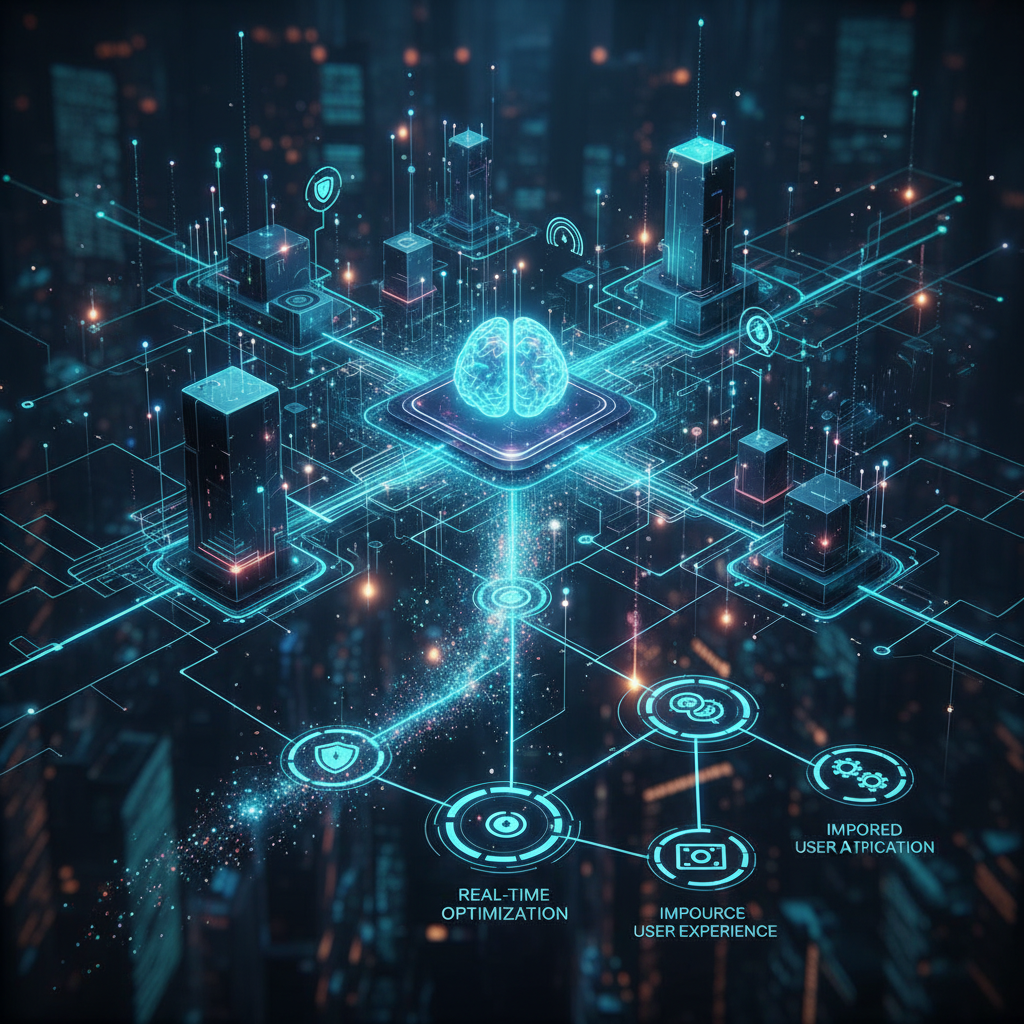
2025 Top 10 System Architecture Trends That Will Shape The Future
As we venture into a rapidly evolving technological landscape, the significance of system architecture becomes increasingly paramount. By 2025, organizations that embrace innovative architectural trends are poised not only to survive but thrive in competitive markets. According to a recent Gartner report, 80% of organizations will leverage cloud-centric architectures, marking a substantial shift in how systems are designed and implemented. This transformation is driven by the urgent need for scalability, flexibility, and cost efficiency that traditional infrastructures often fail to provide.
Moreover, the rising demand for real-time data analytics and artificial intelligence integration is reshaping system architecture fundamentals. A study by Forrester indicates that companies adopting a microservices architecture will achieve a 30% increase in engineering productivity, underscoring the critical need for adaptive structures that can support diverse applications and workloads. Thus, recognizing and understanding these emerging trends is crucial for IT leaders and architects to strategically plan and optimize their systems for the future. Embracing these advancements in system architecture will ultimately determine an organization’s potential for innovation, agility, and success in the coming years.

Emerging Trends in Cloud-Native Architecture for 2025
As cloud-native architecture continues to evolve, 2025 will witness several transformative trends shaping its landscape. One of the most significant trends is the deepening integration of observability tools, which are essential for monitoring and managing cloud-native applications. Organizations are increasingly recognizing the importance of real-time insights into system performance and user behaviors, prompting a shift towards adopting sophisticated observability frameworks. These tools enable teams to enhance application reliability, optimize resource usage, and foster proactive incident management, all of which are crucial in a cloud-first development strategy.
Additionally, the rise of AI and machine learning in cloud-native environments is poised to drive substantial change. Enterprises are leveraging AI-driven analytics to automate workflows and improve decision-making processes. This integration is not only streamlining operations but also enhancing customer experiences through personalized services. Coupled with Kubernetes' prominence in managing containerized applications, the development and deployment pipelines are becoming more agile and efficient. Ultimately, the interplay of these technologies will redefine the cloud-native landscape, pushing organizations to adapt quickly to sustain their competitive advantage in an increasingly dynamic market.
2025 Top 10 System Architecture Trends in Cloud-Native Architecture
Integrating AI and Machine Learning into System Design Principles
The integration of AI and machine learning into system design principles is rapidly becoming a pivotal aspect of modern architecture. As technology evolves, these intelligent systems are not merely enhancements but fundamental components that dictate how efficient and resilient architectures are developed. By embedding machine learning algorithms into system designs, developers can create adaptive infrastructures that learn from usage patterns and optimize performance in real time. This capability allows systems to anticipate failures, modify resource allocation, and improve user experiences seamlessly.
Moreover, the application of AI in system architecture encourages a shift toward more modular and scalable designs. With machine learning-driven insights, organizations can make informed decisions about scaling operations or deploying resources more effectively. This flexibility in design principles fosters innovation, as it enables teams to iterate quickly and incorporate new functionalities without compromising system integrity. As AI continues to advance, the principles guiding system architecture will undoubtedly evolve, leading to infrastructures that are not only intelligent but also more aligned with the dynamic needs of users and businesses alike.
The Rise of Microservices: Building Flexible and Scalable Systems
The rise of microservices is significantly reshaping system architecture, moving organizations away from monolithic designs towards more flexible and scalable systems. According to a recent study by Gartner, nearly 70% of enterprises are adopting microservices in their application development processes by 2025. This shift allows teams to independently develop, test, and deploy services, increasing the speed and efficiency of software delivery. Companies leveraging microservices often report a 30% reduction in time to market, enabling them to respond swiftly to customer demands and market changes.
Moreover, the scalability inherent in microservices architecture supports the growth of cloud-native applications, aligning with the industry's movement towards cloud computing. A report from Forrester highlights that companies utilizing microservices experience up to 50% improvement in resource utilization, which translates to significant cost savings and operational efficiency. As the complexity of systems continues to rise, the ability to break applications into smaller, manageable components positions microservices as a cornerstone of modern system architecture, ensuring that businesses can adapt and thrive in an ever-evolving technological landscape.
Trends in DevOps and Automation for Enhanced System Architectures
The landscape of system architecture is undergoing a remarkable evolution, largely driven by advancements in DevOps and automation. According to the 2023 State of DevOps Report by Puppet, organizations that excel in DevOps practices are 2.6 times more likely to deploy code several times a day compared to their peers. This increased deployment frequency accelerates feedback loops and enhances system reliability, allowing teams to continuously improve architecture efficiency and performance.
Automation is another critical trend reshaping system architectures. A study by Gartner predicts that by 2025, 70% of businesses will utilize some form of automation in their IT operations. This shift suggests that teams can reduce manual tasks, minimize human error, and achieve faster recovery times during system failures. Tools that integrate continuous integration/continuous deployment (CI/CD) pipelines not only streamline workflows but also enable architects to adopt a more proactive approach to managing infrastructure. As these trends continue to gain traction, the synergy between DevOps and automation will play a pivotal role in defining the architectures of the future.
Ensuring Security and Compliance in Tomorrow's System Designs
In the rapidly evolving landscape of system architecture, ensuring
security and compliance is becoming paramount.
As more organizations leverage AI-driven agents, the need for robust frameworks that manage
trust, risk, and security is critical. Recent insights indicate that
as intelligent agents transition from experimental phases into mainstream applications, their ability to
perform complex tasks must be coupled with an equally sophisticated approach to security. This dual focus
not only enhances operational efficiency but also mitigates potential risks associated with data breaches and
compliance violations.
Moreover, with the globalization of businesses, companies are facing increasing pressures to comply with
diverse data protection regulations across various jurisdictions. As enterprises expand their reach, the
implementation of a comprehensive data compliance framework becomes essential. This framework
should be agile enough to adapt to the rapidly changing regulatory landscape while ensuring the integrity of
sensitive information. By integrating advanced security measures with
compliance protocols, organizations can navigate the complexities of tomorrow's system designs, paving the way
for a secure and compliant digital future.